Short Term Rental Manager – Complete Guide for Property Owners and Investors
The short-term rental market has exploded in recent years, driven by platforms such as Airbnb, Vrbo, and Booking.com. With more travelers choosing vacation rentals over traditional hotels, property owners face increasing pressure to maintain high-quality guest experiences while maximizing profitability. This is where the role of the short-term rental manager comes into play.
A short-term rental manager is responsible for overseeing the daily operations of a rental property that is rented out for short durations, typically days or weeks rather than months. Their role is a blend of hospitality management and property oversight. Managers handle guest communication, coordinate cleaning and maintenance, manage calendars, optimize listings, and ensure compliance with local laws. For owners, especially those managing multiple properties or living far from their rentals, a manager is often the difference between success and burnout.
Why Short-Term Rental Managers Are Essential

Managing even one short-term rental can be deceptively complex. What starts as a seemingly simple side income can quickly spiral into a demanding, full-time job. Between handling bookings, responding to guest questions, scheduling cleaners, and navigating regulations, property owners often find themselves overwhelmed.
Short-term rental managers ease this burden by taking over day-to-day responsibilities. Their professional oversight ensures consistent service, which leads to positive reviews and repeat guests. They also free owners from operational stress, allowing them to focus on strategy or other ventures. Ultimately, a good manager directly impacts profitability by increasing occupancy rates, optimizing pricing, and maintaining property standards.
Core Responsibilities of a Short-Term Rental Manager
A short-term rental manager wears many hats. Beyond simply welcoming guests, they are tasked with creating seamless experiences and safeguarding the property owner’s investment.
Some of their primary responsibilities include:
-
Marketing and Listing Optimization: Creating attractive listings with professional photos, detailed descriptions, and competitive pricing to appeal to the right audience.
-
Guest Management: Handling inquiries, screening guests, facilitating check-ins, and resolving issues during stays.
-
Property Care: Coordinating cleaning, maintenance, and restocking supplies to maintain high standards of hospitality.
-
Compliance: Ensuring adherence to safety codes, tax obligations, and local regulations governing short-term rentals.
This combination of hospitality and operational management makes short-term rental managers indispensable in today’s competitive market.
Benefits of Using Technology in Short-Term Rental Management

The modern short-term rental industry thrives on technology. Without digital tools, managers would struggle to keep up with the demands of multiple bookings, guest communications, and operational tasks.
Technology enables managers to automate time-consuming processes. For example, property management software integrates calendars across booking platforms to prevent double-bookings. Automated messaging ensures guests receive prompt responses, while pricing tools adjust nightly rates based on market demand. These systems not only save time but also increase occupancy and revenue.
Mobile apps further enhance efficiency by giving managers real-time access to bookings, payments, and property updates. Smart devices like keyless entry locks and noise-monitoring sensors also improve security and guest convenience. In short, technology allows managers to scale operations while delivering consistent, professional service.
Real-World Examples of Short-Term Rental Management Solutions
Guesty
Guesty is one of the most recognized platforms designed specifically for short-term rental managers. It provides powerful automation tools, including reservation handling, guest communications, and financial reporting. Guesty integrates seamlessly with Airbnb, Vrbo, Booking.com, and other major platforms, making it ideal for managers handling multiple listings.
The relevance of Guesty lies in its ability to centralize operations. By reducing repetitive manual work, managers can focus on enhancing guest experiences, building relationships, and growing their businesses. For large portfolios, Guesty becomes a backbone that ensures efficiency and consistency.
Hostfully
Hostfully combines property management capabilities with digital guidebooks that elevate guest experiences. The guidebooks provide property information, check-in instructions, and local recommendations in a professional digital format.
For managers, this reduces repetitive communication while enhancing guest satisfaction. A guest who feels well-informed is more likely to leave a positive review, boosting the property’s reputation. Hostfully’s blend of management efficiency and guest personalization makes it a valuable tool for managers who prioritize hospitality.
Lodgify
Lodgify empowers managers to create branded websites for their properties, enabling direct bookings while still integrating with major listing platforms. This reduces reliance on third-party sites and allows managers to build long-term customer relationships.
For owners, Lodgify provides greater control over revenue streams by cutting out commission fees from platforms. For managers, it offers flexibility to market properties independently while maintaining synchronization with external booking calendars. Its focus on independence makes it particularly attractive to managers who want to diversify booking sources.
iGMS
iGMS is another widely used property management software tailored for short-term rentals. It automates guest messaging, assigns tasks to cleaning staff, and processes payments. The interface is intuitive, which makes it especially useful for managers overseeing multiple properties.
The value of iGMS lies in its operational efficiency. Managers can track cleaning schedules, manage finances, and respond to guest inquiries without juggling multiple apps. This streamlined approach helps managers save time while ensuring nothing slips through the cracks.
Practical Advantages of Hiring a Short-Term Rental Manager
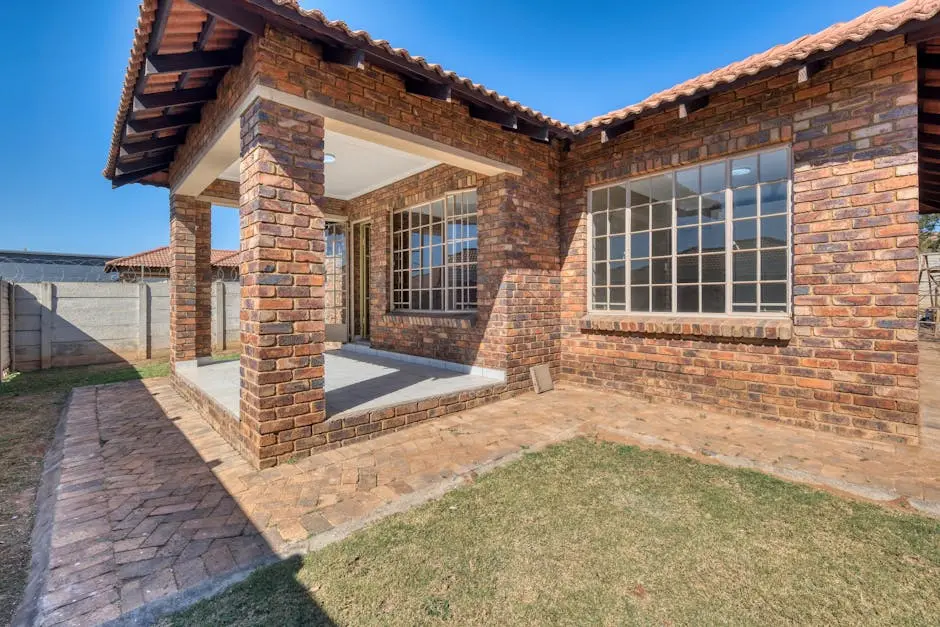
Hiring a professional short-term rental manager offers practical advantages beyond convenience. These benefits directly impact both guest experiences and financial performance.
One key advantage is higher occupancy rates. Managers use marketing expertise, dynamic pricing tools, and guest communication strategies to attract more bookings. Another advantage is better property care, since managers coordinate maintenance and cleaning to keep the property in pristine condition.
Perhaps the greatest advantage is peace of mind. For owners who live in different cities or even countries, having a trusted manager ensures the property runs smoothly without their constant involvement. This reliability not only reduces stress but also protects the long-term value of the investment.
Real-Life Use Cases of Short-Term Rental Management
-
Case 1: A vacation home in a coastal destination – The owner lives hundreds of miles away and hires a manager to handle bookings, guest communication, and cleaning. Without this support, the property would struggle with consistent guest experiences.
-
Case 2: An investor with several city apartments – The investor relies on a manager and software like Guesty to synchronize operations across properties. This ensures consistent branding, professional service, and maximum revenue.
-
Case 3: A luxury villa for international travelers – A manager coordinates premium services such as chef arrangements, guided tours, and airport transfers. This transforms the property into a luxury experience and attracts repeat high-paying guests.
-
Case 4: A new host with a single apartment – A beginner hires a manager to guide them through pricing strategies, marketing, and guest management. This accelerates their learning curve and ensures profitability sooner.
-
Case 5: A remote cabin in a mountain area – With limited access to the property, the owner depends on a manager to oversee maintenance, coordinate cleaning, and manage guest check-ins. This setup makes the property viable despite its remote location.
These use cases highlight how short-term rental managers adapt their strategies to different property types and owner needs.
Common Problems a Short-Term Rental Manager Helps Solve

Property owners face a variety of challenges in short-term rental operations. One of the most common is double-bookings, which frustrate guests and damage reputations. Managers solve this with synchronized calendars and booking software.
Another issue is inconsistent guest communication. Delayed or unprofessional responses can result in cancellations and negative reviews. Managers ensure guests receive timely, professional support.
Fluctuating occupancy is another major challenge. Without knowledge of seasonal demand and pricing strategies, owners often leave money on the table. Managers use dynamic pricing tools and marketing expertise to keep properties competitive.
Finally, navigating regulations is a significant burden for many owners. From permits to local taxes, compliance can be confusing and time-consuming. A rental manager helps owners remain compliant, reducing the risk of fines and legal complications.
FAQs
1. What does a short-term rental manager typically charge?
Short-term rental managers may charge a percentage of rental income, often between 15% and 30% or a flat monthly fee. While fees vary, most owners find the increased occupancy, improved reviews, and reduced stress justify the cost.
2. Do I need a short-term rental manager if I only own one property?
Yes, even single-property owners can benefit from professional management. A manager ensures consistent service, handles unexpected issues, and improves guest experiences. For owners with full-time jobs or distant properties, hiring a manager is often essential.
3. How does technology support short-term rental managers?
Technology helps managers by automating tasks such as guest messaging, calendar updates, and pricing adjustments. Tools like Guesty, Hostfully, and Lodgify centralize operations, reduce errors, and save time, allowing managers to focus on guest satisfaction.